WHAT TO CONSIDER WHEN BUYING A BUILDING PLOT
WHAT ARE THE KEY FACTORS TO CONSIDER ONCE YOU HAVE IDENTIFIED A SITE?

In the second of our series on the subject of purchasing a building plot, we take a look at the key points to consider once a potential building plot had been identified, but before agreeing a purchase (aside from all the necessary legal checks that your solicitor will carry out for you).
This is by no means an exhaustive list, rather a good starting place for what to have in mind when reviewing a site:
1. Does the plot already have planning permission? This will be central to the value of the land. If there is planning permission already in place, check how much time there is left on this permission. A meaningful start will usually have to have been made within three years of permission being granted. If there is less than 6 months left to run on the planning permission (without a substantial/meaningful start to works having been made) then this can affect the ability to obtain finance. Not to mention that it wouldn’t allow much time to complete a purchase and make a meaningful start. It is worth keeping in mind that just because a piece of land has been granted planning permission before, there is no automatic guarantee that if this is to lapse, the same permission would be granted again;
2. If there is no planning permission, it is important to consider why not. Has a previous application been unsuccessful, or has no application ever been made? If you are considering a plot without planning permission, is it possible to make the purchase conditional on obtaining the required planning permission? Your solicitor will be able to advise on this to make sure that you are fully protected in this situation;
3. Beware land banking (buying land without planning permission, on the assumption that one day you will be able to get planning permission). However attractive (cheap) this may seem, be sure to get expert advice on viability first. Remember that if it is a large organisation selling, consider that they would ordinarily rather build themselves, than sell.
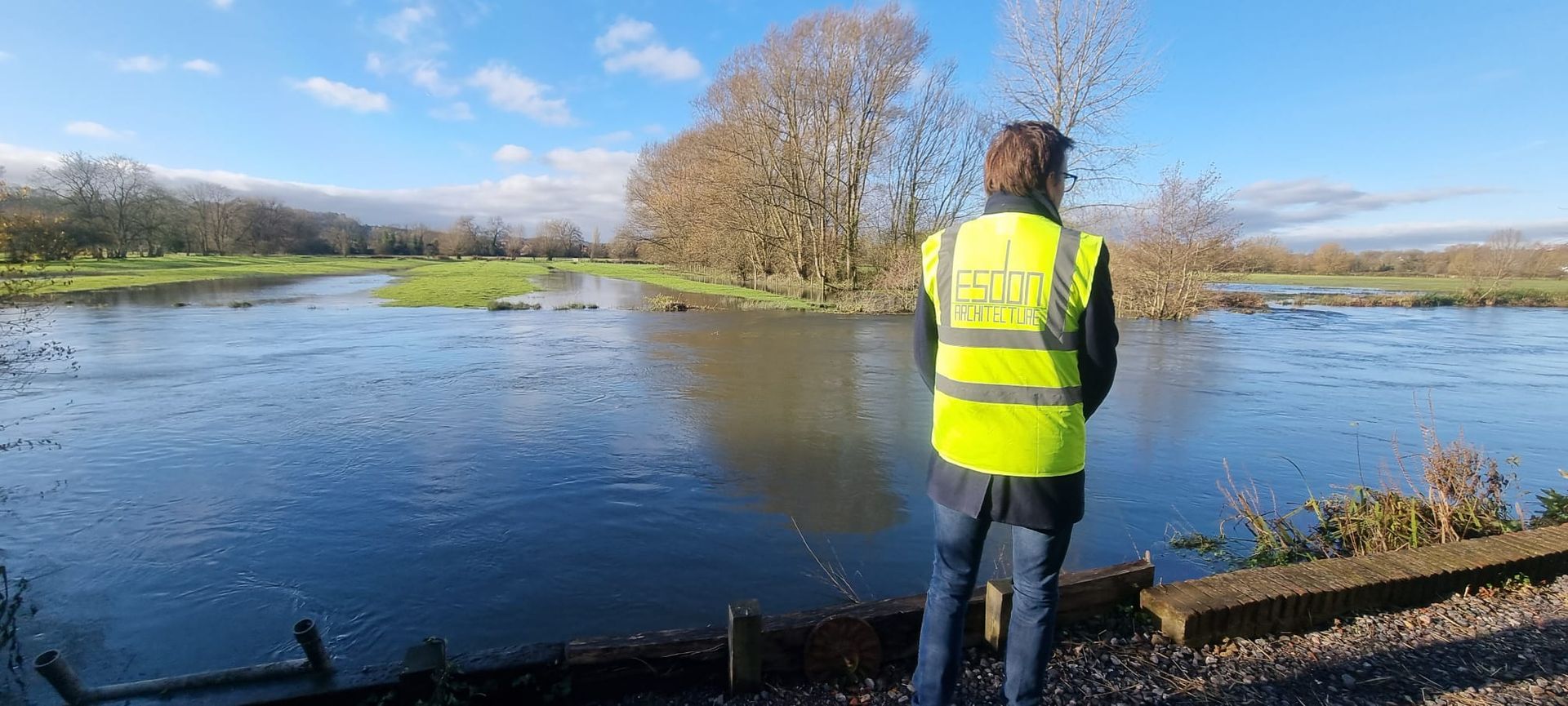
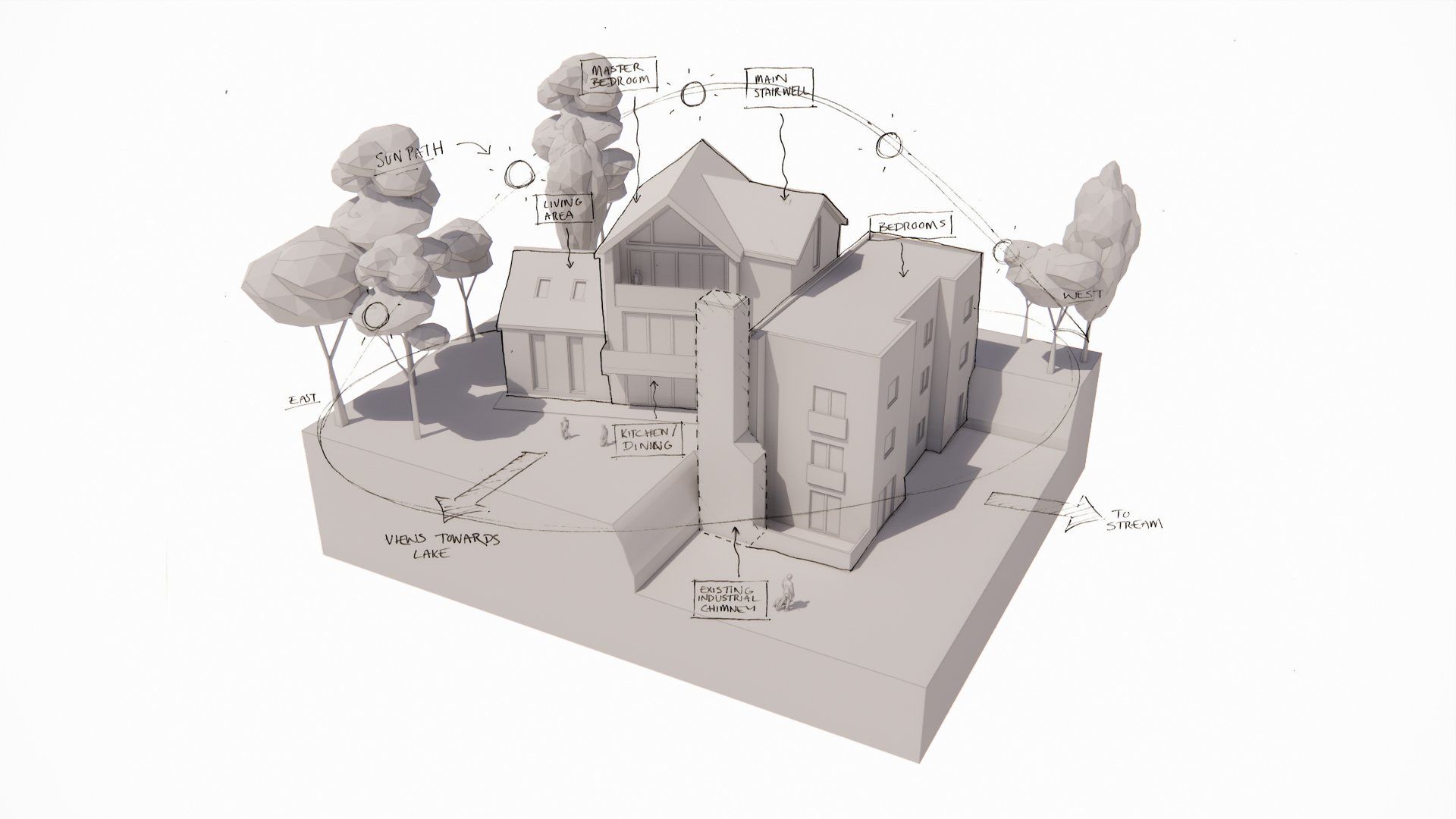
4. Make sure you get a measured land survey of the plot. This will check the topography of the land, the exact boundaries of the site on the ground, and check any rights of way, flood risks or overhead power lines, all of which can affect what you are able to do with the land;
5. What is access to the site like? This will be crucial for the end user and also during the construction process. Your solicitor will clarify what the ownership specifies but you should also check what this looks like on the ground. A ransom strip owned by a third party can end up being very expensive;
6. Is the plot already connected to services? If not, costs to connect will depend on proximity to mains/the highway. It is important to get quotes for connection in advance of a purchase as there is the potential for these to be sky high;
7. What are the ground conditions/sub soil like at the site? This will affect the type of foundations (and development costs) as well as disposal of surface water and sewage. Having a report prepared by an expert early on is highly recommended; and last but not least
8. Trees. Are there trees on the site, are any of these protected by TPO’s? If there are big trees consider that in the warmer summer months the root systems have the potential to dry out the ground and can cause structural damage to foundations. Equally check whether there appears to have been trees recently removed from the site. This can affect ground stability.
Sometimes it can seem like finding a good building plot is like searching for hen’s teeth, but try not to be put off. Good building plots exist, and are worth the wait when they do turn up. Happy hunting!
If you would like to discuss any of the above in more detail then do please get in touch info@esdon-architecture.com or 01722 415005.